
Mastering Heat Detection in Cattle
Missing a cow's heat can mean missing a breeding opportunity: longer calving intervals, less milk and lower profits.
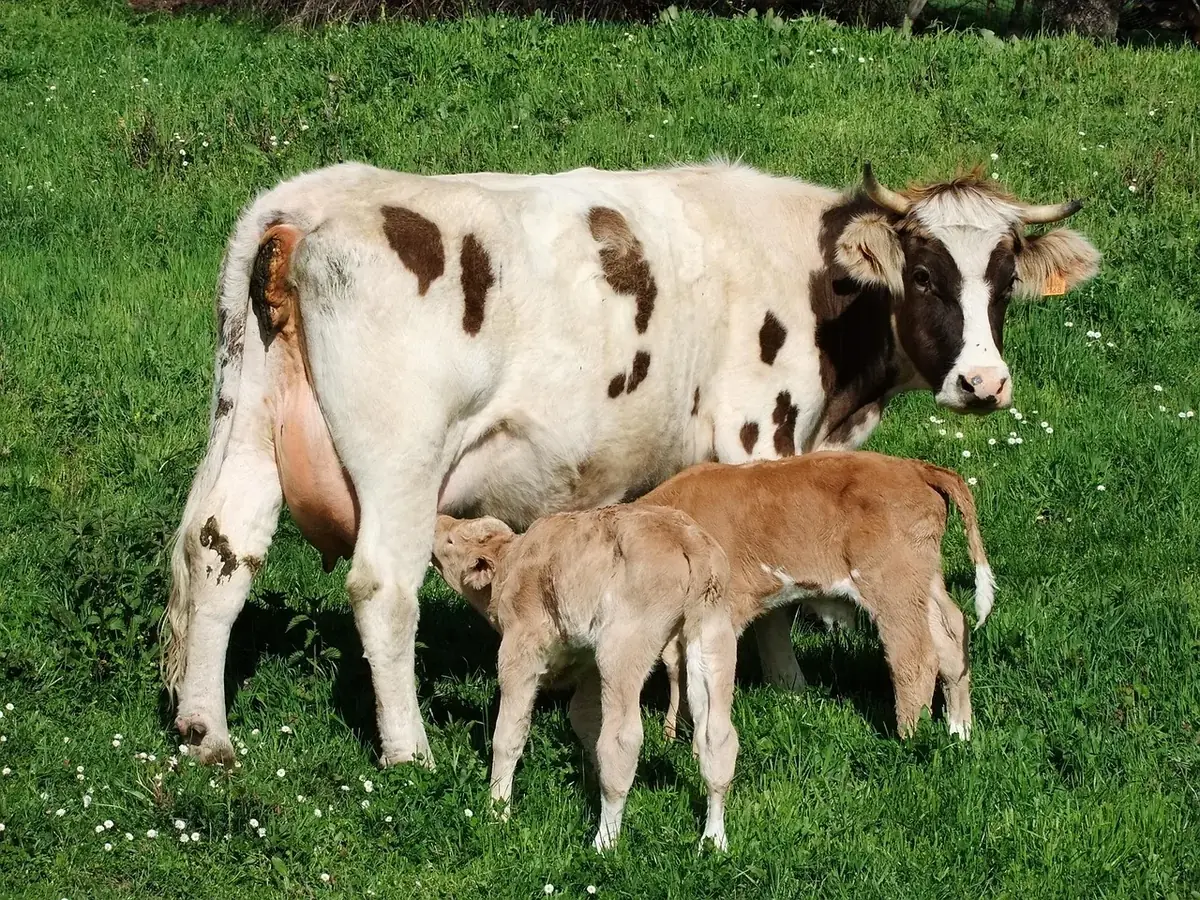
Heat detection is a vital skill
Heat detection in cattle is one of the most critical aspects of reproductive management for any livestock farmer. Missing a cow's heat can mean missing a breeding opportunity, leading to longer calving intervals, reduced milk production, and ultimately, lower profits.
At FAMAS, we believe that optimal nutrition plays a central role in improving heat detection accuracy and overall reproductive efficiency.
Understanding heat (estrus) in cattle
Estrus, commonly referred to as “heat,” is the period during a cow's reproductive cycle when she is receptive to mating. This cycle typically lasts 18–24 days, and estrus itself lasts around 12–18 hours.
Recognising heat is essential for both natural breeding and artificial insemination (AI). Cows that aren't detected in heat don't get bred—and a cow that isn't bred doesn't produce milk or calves, directly impacting your farm's productivity.